











Digital Branding Par
Excellence for Visionary
Businesses

CREATIVE
DESIGNS
What's Included in a Mobile App
Development Package?
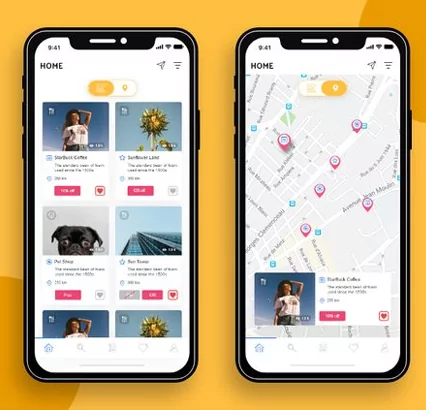
A mobile app development package covers strategy, UI/UX design, development, and testing everything needed to take an app from concept to the app store. It's a different discipline from website development, since mobile apps have to work within platform-specific rules, offline states, and app store review requirements.
Most startups make the mistake of trying to build every feature at once before launch, which delays the app and inflates the budget. Our 360 creative solutions approach starts with a focused first version of the core features that solve the main problem, then expands based on real user feedback after launch. For instance, we recently helped a client launch a minimum viable version of their booking app in ten weeks instead of the six months their original feature list would have required.
Strategy & Planning
Defining core features, platform choice, and a realistic scope before any design work starts.
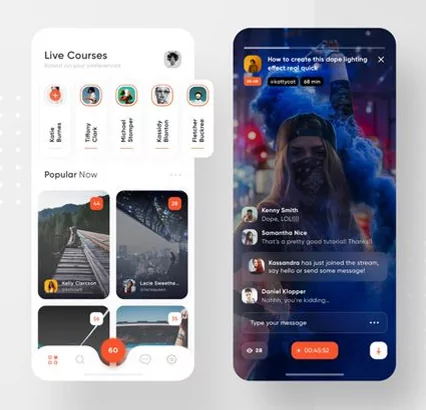
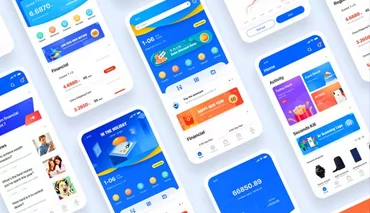
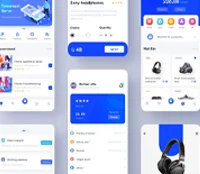
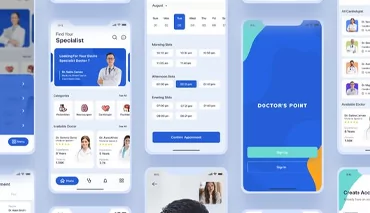
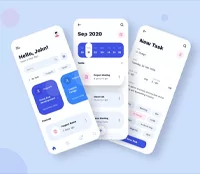
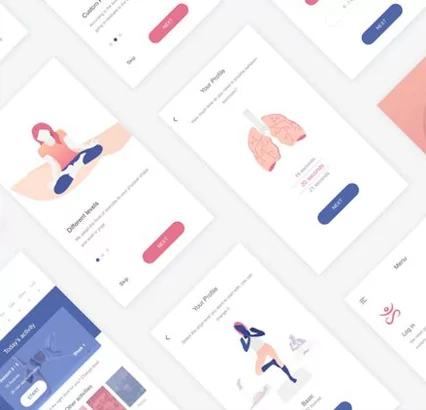
UI/UX Design
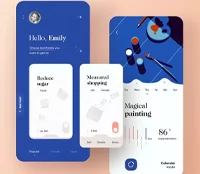
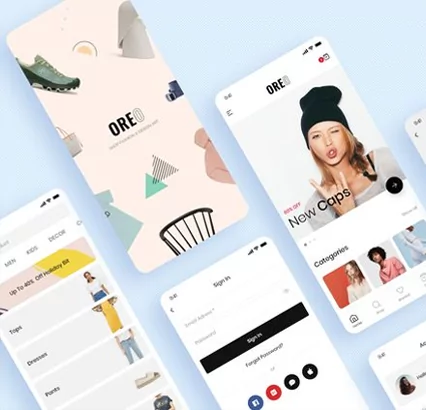
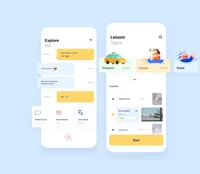
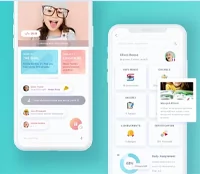
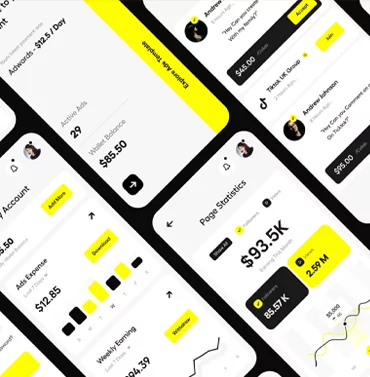
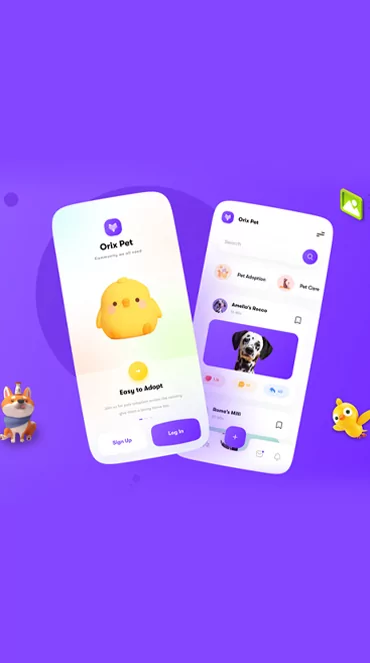
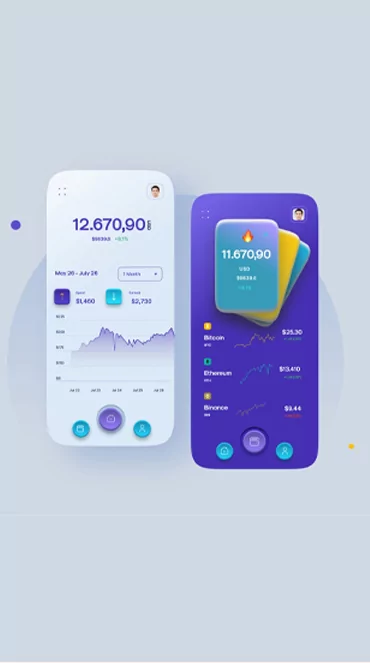
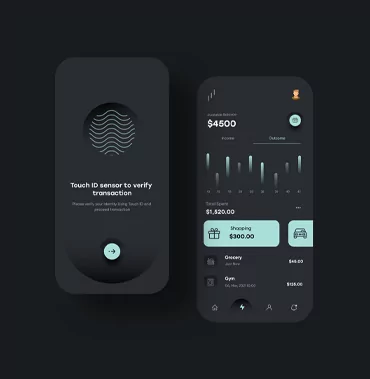
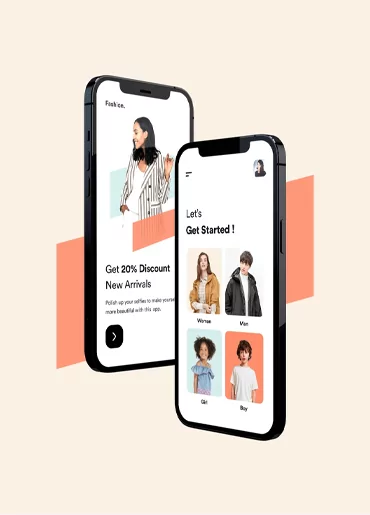
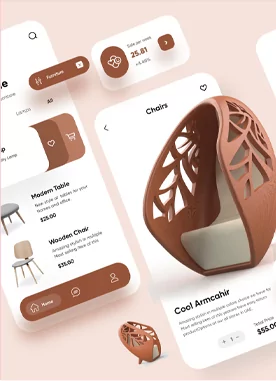
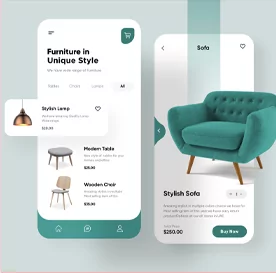
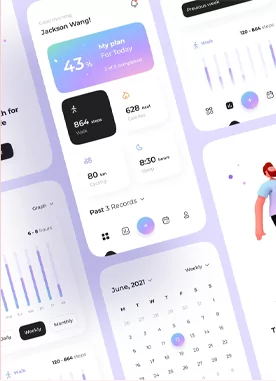
Screen-by-screen design built around how users actually navigate mobile apps, not desktop habits ported over.
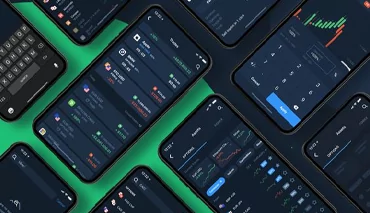
Development
Native or cross-platform development (iOS, Android, or both), depending on your budget and audience.
Testing & App Store Submission
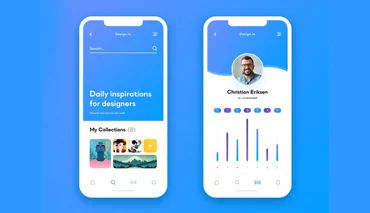
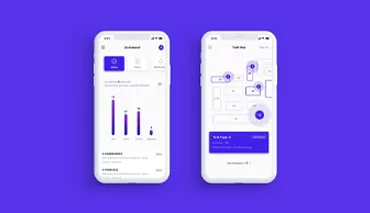
Device testing across screen sizes, plus handling the app store submission and review process.
AR/VR App Development
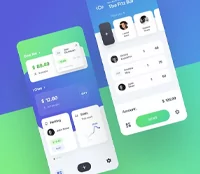
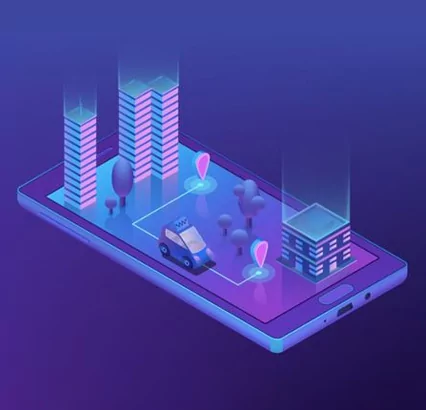
AR and VR are going mainstream and will pave the way for the future of business. Our team of experienced developers deliver incredible and engaging experiences by leveraging augmented reality and virtual reality to build next-generation apps.



We Are Reliable

What We Deliver
How Long Does It Take to Build a Mobile App?
Most mobile apps take three to six months to build, depending on feature complexity and whether you're launching on one platform or both. Our process runs in four stages.
An App Built
to Get Used
A launched app means nothing if nobody opens it twice; real usability testing is what makes the difference.