How Long Does SEO Take to Show Results?

How Long Does SEO Take to Show Results?
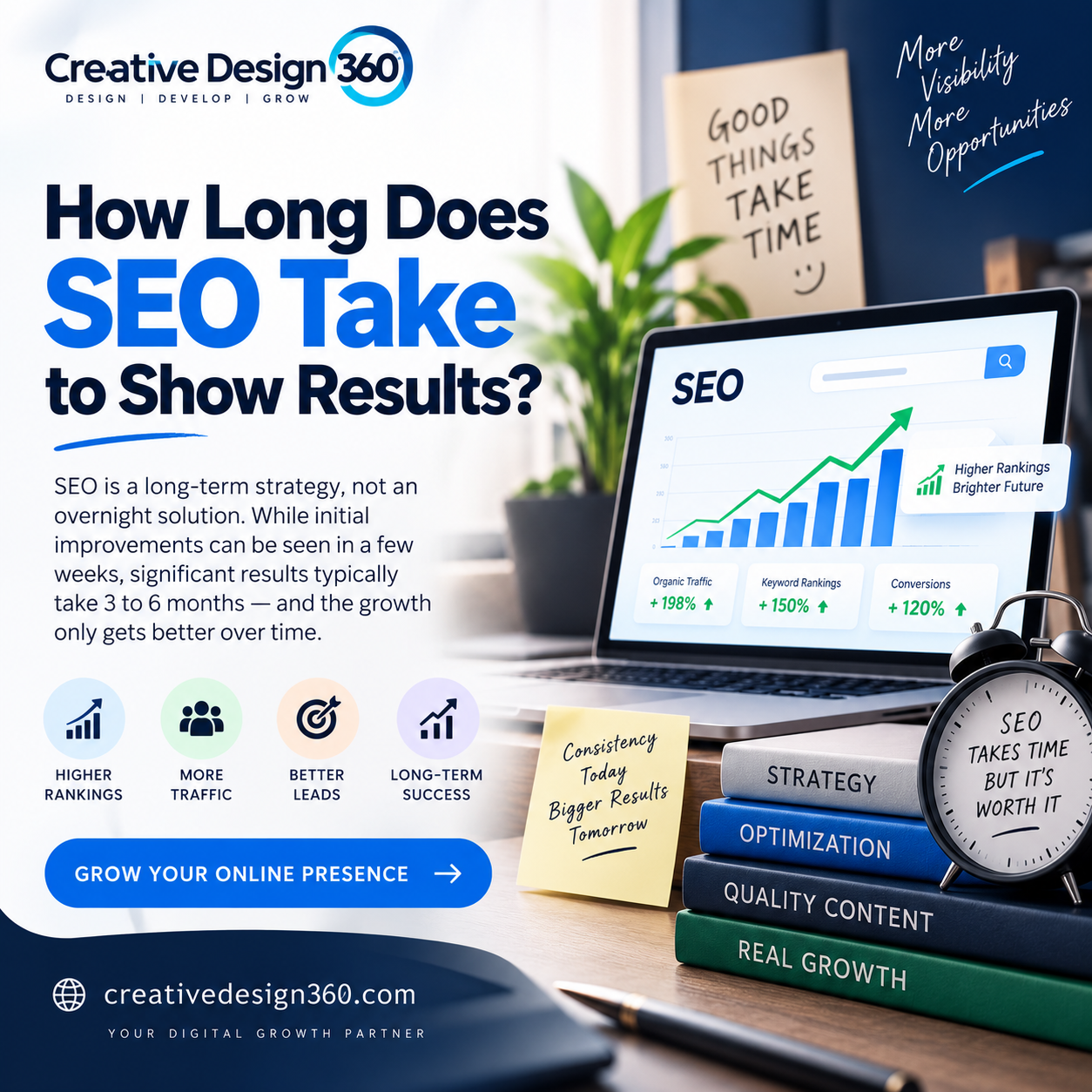
For most websites, search engine optimization takes time. It requires roughly three to six full months. Early results include increased organic traffic and higher rankings. However, major business milestones require six to twelve months. These milestones include steady lead generation and online sales. Achieving top positions for competitive keywords takes dedicated effort.
SEO operates as a compound organic growth strategy. It is not a quick overnight marketing fix. Understanding this timeline helps set accurate business expectations. Long-term search strategy builds durable online visibility over time. Organic marketing creates lasting value for expanding modern companies. Building high authority demands consistent patience and tactical focus.
The Reality of the SEO Timeline
How long does SEO take to show results? Search engines index content updates relatively quickly overall. However, building authority and user trust requires time. Search algorithms carefully evaluate website credibility over long periods.
The first two months focus on technical site health. Marketers conduct audits, plan keywords, and fix errors. Optimizing site structure ensures search bots navigate pages easily. During this phase, search engines re-index updated pages. Sites usually experience early subtle rises in search impressions.
Months three through six involve publishing fresh content. Teams establish clear internal link structures across pages. Long-tail keyword rankings begin climbing search engine pages. This period brings initial visible organic traffic improvements daily. Early lead inquiries also begin appearing far more frequently.
Months six through twelve bring valuable compounding momentum. Continuous optimizations and quality link building pay off. Primary target keywords move into top search positions. This creates steady streams of qualified incoming web traffic. Strong keyword presence establishes long-term digital domain authority.
Key Factors Impacting Your Speed to Rank
The standard timeline varies based on key variables. These factors directly dictate how fast sites rank.
· Domain Authority: Brand-new websites lack established trust and backlink history. They take longer to rank than mature domains.
· Keyword Competition: Highly competitive keywords require extensive link building efforts. Niche long-tail search phrases rank much faster.
· Technical Site Health: Slow page speed and mobile errors hinder performance. Fixing technical issues must happen before rankings improve.
· Content Quality and Cadence: Publishing high-quality content regularly builds topical authority. Consistent posting signals expertise to search algorithms quickly.
Early Indicators That SEO Is Working
Several key metrics show progress before traffic spikes. You will see steady increases in total search impressions. Search engines display your pages far more frequently now. Keyword positions consistently move up from deeper pages. Search bots also index newly published pages much faster. Improved page titles drive higher click-through rates daily. Strong user-engagement signals reflect growing content relevance online.
Accelerating Your Search Momentum
Targeting low-competition keywords helps capture fast initial traffic. Refresh underperforming existing pages by updating old information. Improve content readability and add strategic internal links throughout. Focus on earning quality backlinks from reputable niche websites. Authority signals directly encourage search engines to rank pages. Strategic link outreach accelerates organic keyword visibility remarkably fast.
Paid advertising stops working when the budget runs out. Conversely, dedicated SEO strategies build lasting digital assets over time. Organic optimization generates continuous traffic and qualified leads consistently. Investing in search visibility ensures long-term business success. Sustainable growth remains the best advantage of organic search.For most websites, search engine optimization takes time. It requires roughly three to six full months. Early results include increased organic traffic and higher rankings. However, major business milestones require six to twelve months. These milestones include steady lead generation and online sales. Achieving top positions for competitive keywords takes dedicated effort.
SEO operates as a compound organic growth strategy. It is not a quick overnight marketing fix. Understanding this timeline helps set accurate business expectations. Long-term search strategy builds durable online visibility over time. Organic marketing creates lasting value for expanding modern companies. Building high authority demands consistent patience and tactical focus.
The Reality of the SEO Timeline
How long does SEO take to show results? Search engines index content updates relatively quickly overall. However, building authority and user trust requires time. Search algorithms carefully evaluate website credibility over long periods.
The first two months focus on technical site health. Marketers conduct audits, plan keywords, and fix errors. Optimizing site structure ensures search bots navigate pages easily. During this phase, search engines re-index updated pages. Sites usually experience early subtle rises in search impressions.
Months three through six involve publishing fresh content. Teams establish clear internal link structures across pages. Long-tail keyword rankings begin climbing search engine pages. This period brings initial visible organic traffic improvements daily. Early lead inquiries also begin appearing far more frequently.
Months six through twelve bring valuable compounding momentum. Continuous optimizations and quality link building pay off. Primary target keywords move into top search positions. This creates steady streams of qualified incoming web traffic. Strong keyword presence establishes long-term digital domain authority.
Key Factors Impacting Your Speed to Rank
The standard timeline varies based on key variables. These factors directly dictate how fast sites rank.
• Domain Authority: Brand-new websites lack established trust and backlink history. They take longer to rank than mature domains.
• Keyword Competition: Highly competitive keywords require extensive link building efforts. Niche long-tail search phrases rank much faster.
• Technical Site Health: Slow page speed and mobile errors hinder performance. Fixing technical issues must happen before rankings improve.
• Content Quality and Cadence: Publishing high-quality content regularly builds topical authority. Consistent posting signals expertise to search algorithms quickly.
Early Indicators That SEO Is Working
Several key metrics show progress before traffic spikes. You will see steady increases in total search impressions. Search engines display your pages far more frequently now. Keyword positions consistently move up from deeper pages. Search bots also index newly published pages much faster. Improved page titles drive higher click-through rates daily. Strong user-engagement signals reflect growing content relevance online.
Accelerating Your Search Momentum
Targeting low-competition keywords helps capture fast initial traffic. Refresh underperforming existing pages by updating old information. Improve content readability and add strategic internal links throughout. Focus on earning quality backlinks from reputable niche websites. Authority signals directly encourage search engines to rank pages. Strategic link outreach accelerates organic keyword visibility remarkably fast.
Paid advertising stops working when the budget runs out. Conversely, dedicated SEO strategies build lasting digital assets over time. Organic optimization generates continuous traffic and qualified leads consistently. Investing in search visibility ensures long-term business success. Sustainable growth remains the best advantage of organic search.